Descript Research
We develop our own AI models for audio and video generation, editing, and understanding. They power Descript's video editing workflows.
What we work on
Audio editing by latent inpainting
A two-stage system — a continuous neural codec plus a flow-matching transformer — that regenerates a masked span of speech conditioned on surrounding audio and target text, zero-shot, with inaudible boundaries.
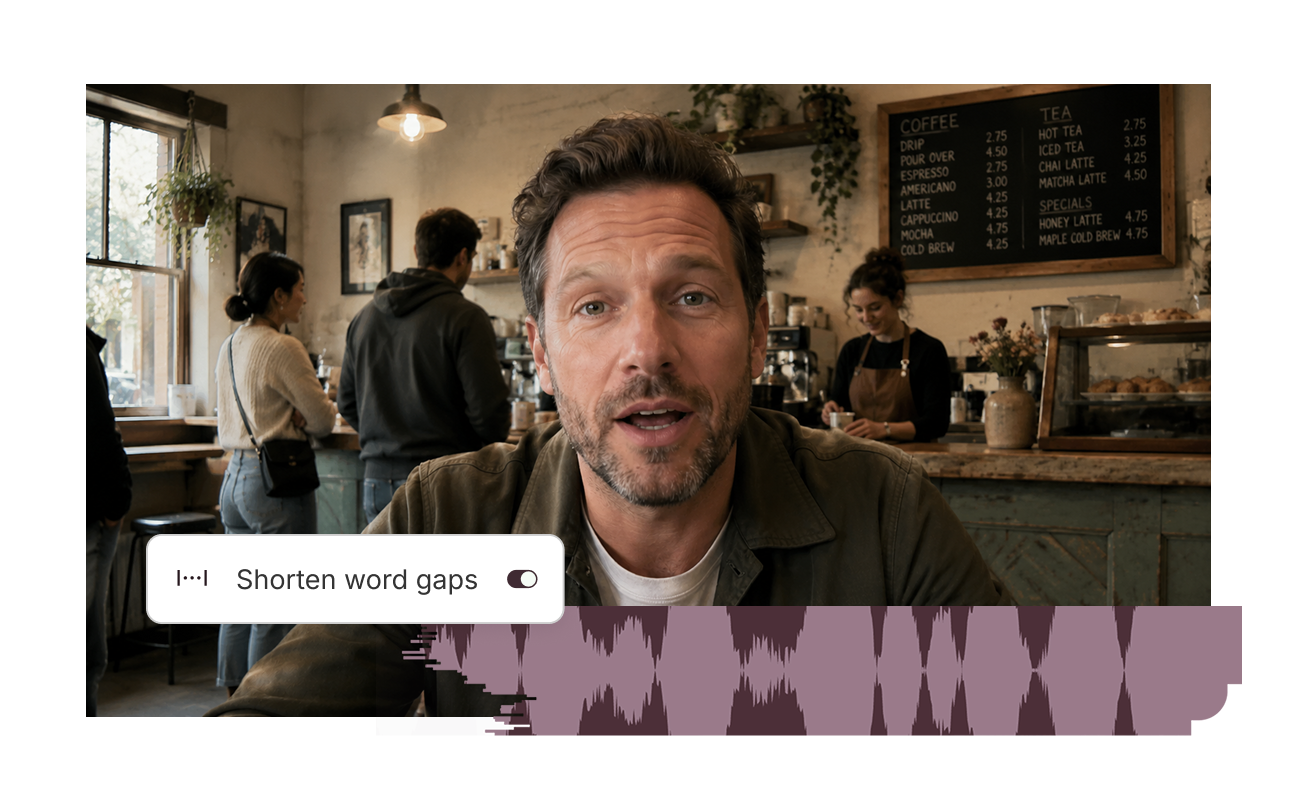
Anchored tree sampling beats autoregressive drift
A training-free, inference-time scheduler that replaces left-to-right rollout with anchor-bounded tree imputation — converting horizon-compounding drift into bounded drift, and running 5.3× faster than autoregressive baselines.

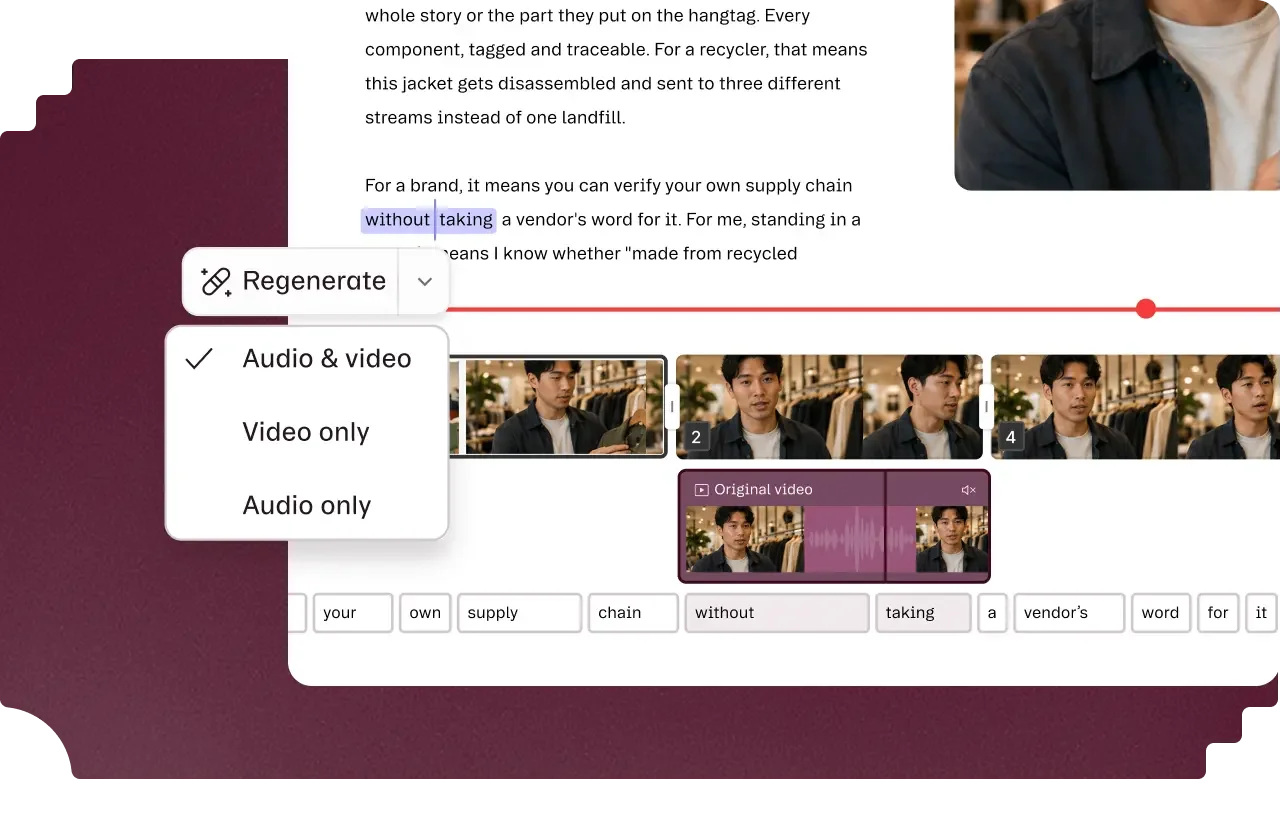
Audio-driven lip-sync by masked frame regeneration
A flow-matching transformer that regenerates the lower face from new audio. Whisper-encoded speech and reference frames condition the model; masked velocity prediction during training keeps identity, lighting, and the boundary to untouched video in place.
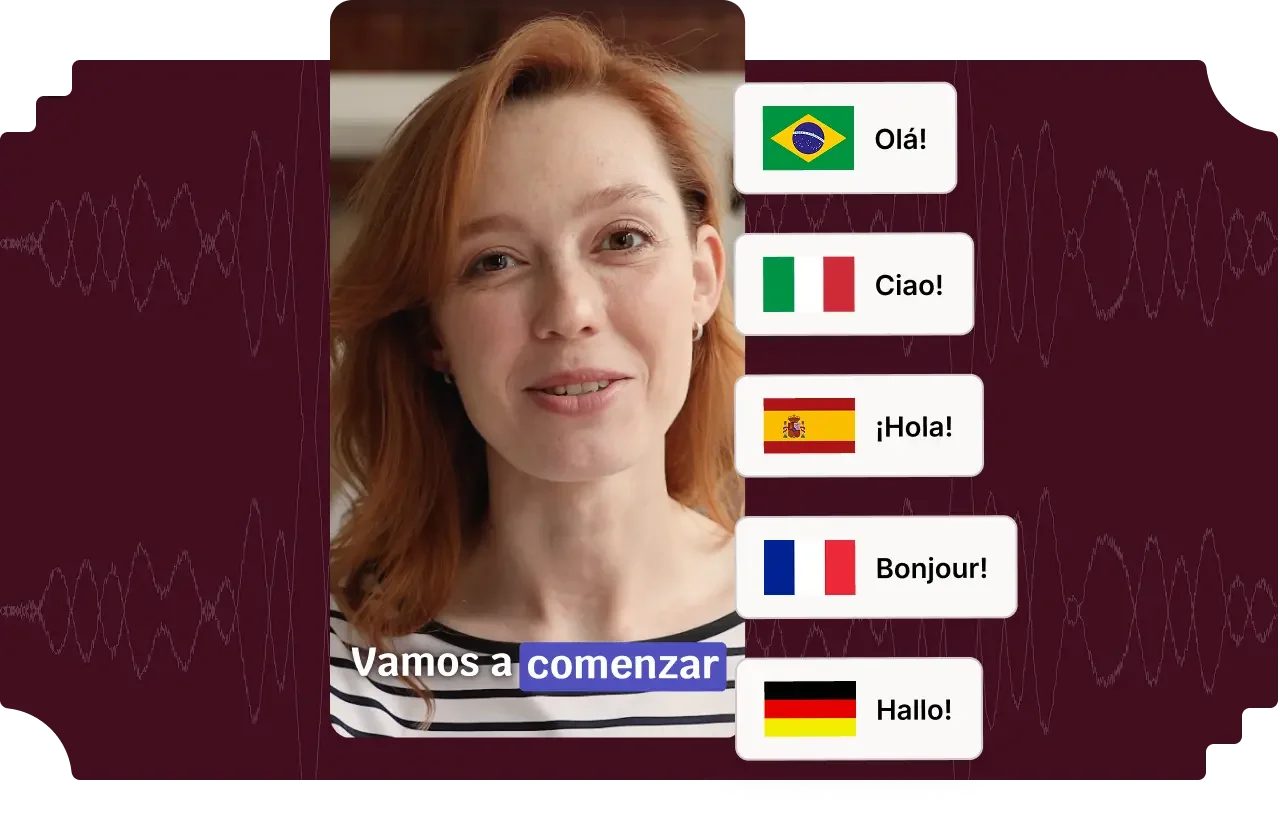
Invisible jumpcuts by regenerating the bridge
Trim a talking-head clip and the head jumps to a new pose. Jumpcut Smoothing masks the frames across the cut and generates a short bridge, then runs Video Regenerate over it to re-sync the lips — so the join plays like a continuous take.
Our ethics

Descript believes a person's likeness is part of their identity. We pledge to do our part to help individuals retain control of their voice.
Publications

Goodbye Drift: Anchored Tree Sampling for Long-Horizon Video-to-Video Generation
May 19, 2026
Read paper
About Descript Research
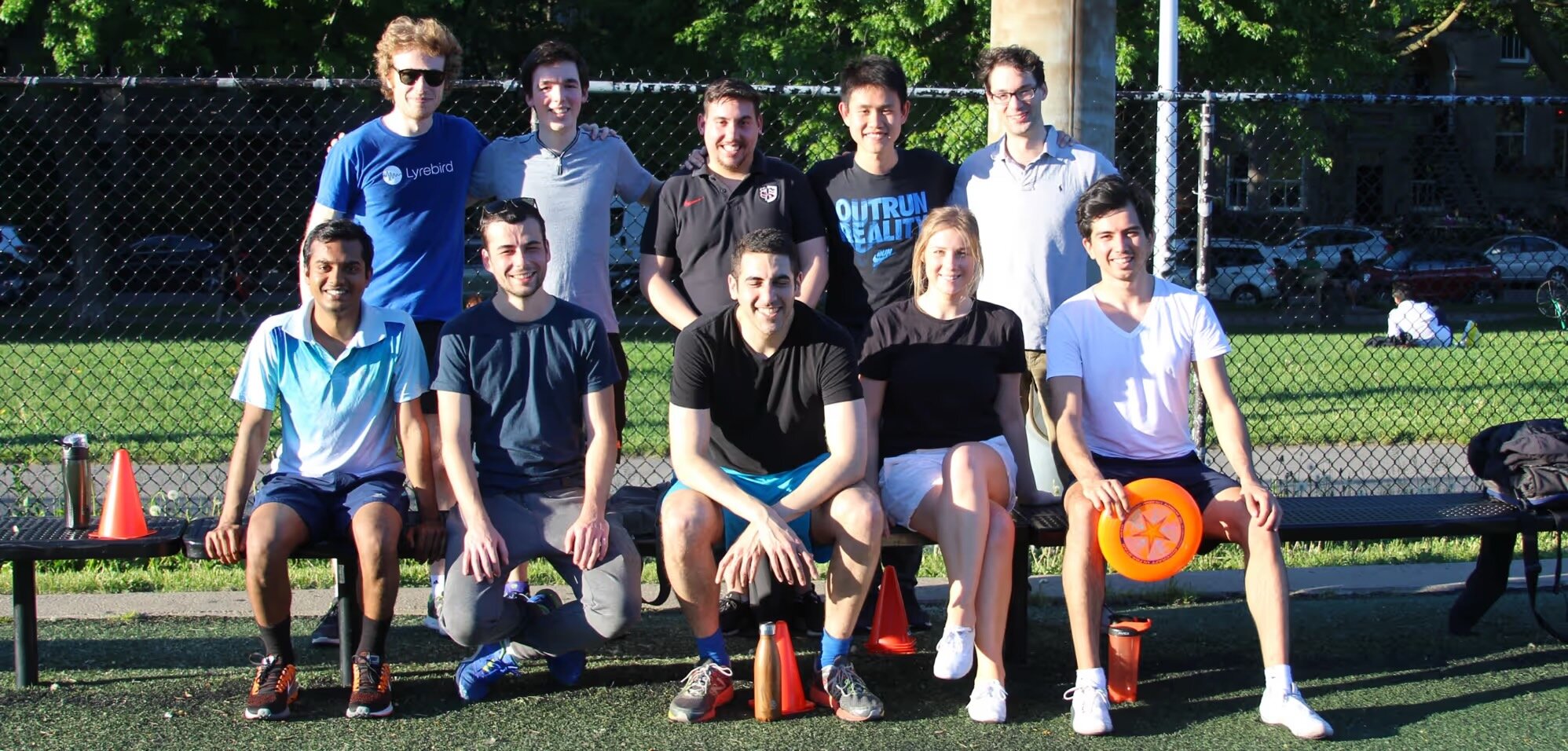
Alexandre de Brébisson, Kundan Kumar, and Jose Sotelo founded Lyrebird in 2017, while studying under Yoshua Bengio at Mila. In 2019, after pioneering research in AI-generated speech and media synthesis, Lyrebird was acquired by Descript. While the team has evolved, its focus remains locked on developing technologies that power creative tools and advance the state of generative media.


© Descript 2026